
Mon - Sat 9:00 - 17:30
The metal industry is a cornerstone of global manufacturing, encompassing the extraction, refining, alloying, shaping, and finishing of ferrous and non-ferrous metals. It includes large integrated steelworks, non-ferrous smelters, foundries, and metal fabrication shops.
Major product streams include:
Steel (via blast furnaces, BOF/EAF systems)
Aluminium, Copper, Zinc (smelting and refining)
Foundry goods (castings, forgings, machined parts)
Processed and coated metal products (galvanized sheets, extrusions)
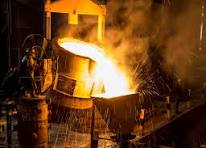
The industry’s processes involve high temperatures, molten metals, flammable materials, metal dusts, and complex energy systems, making fire safety a critical concern across operations.
Below is a simplified process flow diagram representing core metallurgical operations:
[Raw Material Handling]
           ↓
[Primary Reduction/Smelting] — e.g., Blast Furnace / Smelter
           ↓
[Refining/Alloying] — Removal of impurities & composition control
           ↓
[Casting / Continuous Casting]
           ↓
[Hot & Cold Rolling / Forming]
           ↓
[Finishing/Surface Treatment]
           ↓
[Inspection, Packaging & Dispatch]
Across these stages, multiple sub-processes occur (e.g., heat treatment, machining, welding) with unique fire and explosion hazards.
Metal industry operations are inherently hazardous; common fire and explosion risk categories include:
a) High-Temperature Operations
Furnaces, ladles, converters, and heat-treatment units maintain molten metal at extreme temperatures. Contact between molten metal and moisture can trigger violent reactions, steam explosions, and fires — a common root cause of severe incidents.
b) Combustible Metal Dust/Chips
Processes like grinding, cutting, polishing and machining can generate fine metal dusts, especially from aluminium, magnesium, titanium and other reactive metals. Fine dust may ignite or even explode in confined areas if not properly controlled.
c) Flammable Liquids & Gases
Hydrocarbon-based oils, lubricants, fuels, and process gases present ignition sources and sustain combustion if released into hot zones.
d) Electrical & Mechanical Ignition Sources
Sparks from electrical faults, overheated equipment, friction, static discharge, or welding activities are prevalent fire initiators.
e) Inadequate Housekeeping
Accumulation of metal waste, dust, rags, packaging and combustibles increases the fire load and provides fuel for fire spread.
Fire incidents — whether due to combustible dust, molten metal, equipment failure, or unsafe conditions — underline the importance of effective fire safety systems:
4.1 Kunshan Metal Plant Explosion (China, 2014)
In August 2014, a major dust explosion occurred at Zhongrong Metal Products in Kunshan, Jiangsu Province, killing 146 workers and injuring over 100. The blast was attributed to metal polishing dust ignited by an open flame. (Wikipedia)
4.2 Steel Plant Furnace & Blast Incidents
A severe incident at Vishweshwaraiah Iron Steel Ltd (VISL) in India (2003) involved a steel converter blast with fire, killing several workers and causing burn injuries. (ScienceDirect)
At Evonith Steel Plant in Maharashtra, a furnace blast/fire during slag cooling resulted in multiple worker burn injuries. (isssource.com)
4.3 Foundry & Alloy Plant Explosion (Ohio, USA, 2023)
An explosion at a copper alloy plant in Oakwood Village, Ohio — likely in the foundry area — killed one worker and injured several others. (AP News)
4.4 Local Industrial Fires
Even smaller units such as metal utensil plants in Patiala have suffered devastating fires, highlighting fire hazards in fabrication and storage areas. (The Times of India)
These incidents illustrate how quickly fires can escalate in metal operations — driven by high heat, dust/particles, combustible materials, and inadequate protection.
India’s fire safety regulatory framework for industrial facilities includes both general and industry-specific codes:
5.1 IS 13694:1993 — Code of Practice for Fire Safety in Iron & Steel Industries
This standard provides a structured approach to fire hazard identification, prevention, and protection in iron and steel plants. It covers fire hazard analysis, facility layout planning, fire detection/suppression systems, emergency procedures, and training requirements — tailored to metallurgical operations.
The standard emphasizes integrated design and operational safety from plant setup through day-to-day operations and emergencies.
5.2 Supporting Indian Standards
IS 2190: Selection and installation of first-aid fire extinguishers
IS 2189: Fire detection and alarm system specifications
IS 15105: Automatic sprinkler systems
IS 11833: Dry powder extinguishers for metal fires (Class D)
These standards collectively ensure that plants have the right detection, suppression, and emergency systems tailored to specific fire risk profiles.
Globally, industrial fire safety often follows NFPA (National Fire Protection Association) standards, widely recognized and used:
6.1 NFPA 484 — Standard for Combustible Metals
Covers hazards associated with combustible metal dusts, chips, fines, and metal processing operations. It includes requirements for dust control, grounding/bonding, ventilation, and suitable fire protection systems.
6.2 NFPA 122 — Fire Prevention in Metal/Nonmetal Processing Plants
Specifies fire protection practices for mills, smelters, refineries and metal processing facilities, including fire prevention, detection, alarm, and suppression systems.
6.3 NFPA 13 / NFPA 15
Standards for sprinkler and water-based systems appropriate for specific industrial occupancies.
International standards stress:
Hazard assessment
Engineering controls (ventilation, dust collection)
Active fire suppression
Emergency response and training
These form a comprehensive life-safety and property protection framework that can be integrated with national regulations.
Both Indian and international standards converge on core safety principles:
| Strategy | Purpose |
|---|---|
| Hazard Identification & Risk Assessment | Understand fire risks at design & operational stages |
| Engineering Controls | Dust extraction, ventilation, grounding, thermal insulation |
| Active Detection & Alarm | Early fire/fume detection with monitored alarm systems |
| Suppression Systems | Sprinklers, hydrants, and Class D extinguishers for metal fires |
| Housekeeping & Storage Controls | Remove combustible waste & maintain clean work areas |
| Training & Emergency Preparedness | Regular drills, PPE, evacuation plans & first-responders training |
An effective fire safety program goes beyond compliance — embedding safety culture and continual improvement.
Metal industry fire hazards are complex. Engineering controls must address high-temperature processes, combustible dusts, reactive metals, and challenges like molten metal fires. Adopting standards is only the first step; validation, audits, ongoing training, and tailored emergency preparedness are equally vital.
For organizations looking to design, validate, audit, and train for industrial fire safety, Agni Raksha Niti offers comprehensive solutions:
🔹 Fire Safety Design & Engineering — From concept to implementation of NFPA/IS compliant systems
🔹 Design Validation & Gap Analysis — Assess existing safety systems against best practice standards
🔹 Fire Safety Audits — Thorough evaluation of plant fire hazards, systems, and compliance gaps
🔹 HSE & Emergency Response Training — Customized training for employees, safety teams, and emergency responders
🔹 Emergency Preparedness Planning — SOPs, drills, evacuation planning, and risk mitigation
Whether you need to comply with Indian Standards or adopt global best practices, Agni Raksha Niti is equipped to support your entire fire safety lifecycle.

We offer a full suite of HSEFS services designed to address your specific challenges and goals :
HSE Consulting & Advisory,
HSE Auditing & Assurance,
HSE Training & Development,
Implementation & Support,
Environmental Services
GST: 24ABDCA0826H1Z3
CIN: U71100GJ2025PTC163795
Copyright 2025. Agni Raksha Niti Engineering Consultancy Services Pvt. Ltd. All Rights Reserved.